The Crisis of the Suez Canal
The Aden Emergency
End of the Mandate in Palestine
Conclusion
Sources Cited
British Experiences in the Middle East
 The British Empire once covered a quarter of the globe, bringing innumerable peoples under its protectorates and within its colonial borders. Following the end of the Second World War, however, Britain was exhausted and, financially dependent on aid, the nation faced a further nine years of food rationing and had to come to terms with the realities of governing an empire that now exceeded her capabilities. The Empire faced winding down and the political will and military expertise was not well suited to the task, providing a unique set of circumstances and object lessons for the interested historian.
The situation was so unusual, with so many far flung outposts, that the repercussions of the process would be felt far and wide for a long time. The effects would not only result in a whole new character for the individual nations but would change the political character of the world.
From the perspective of a foreign Army, the laboratory created by the disintegration of the British Empire presents object lessons for both the strategic and lowest level tactical spheres. The British had not adjusted well to the new United Nations. The new authority was directly petitioned in the case of Palestine and ruled directly against British interests both then and in the fabricated emergency of the Suez.
The British, and indeed the world, also badly miscalculated the character and capability of Egypt’s Nasser who would throw off the yoke of imperialism in Egypt and then proceed to assist fellow Arabs across the region in doing the same. Highlighting the need to ‘know your enemy and know yourself’ and the effects of miscalculation.
The spirit of ‘leave no man behind’ is a lesson the US Army has already learned. The abandonment of Crater to the insurgent gunmen set the scene for one of the most controversial post-war leaders in the British Army when the dead soldiers and at least one survivor, Fusilier Storey, were abandoned during the emergency.
Throughout all the sampled crises, the need for the application of military force when necessary is apparent, as was demonstrated most effectively in the Suez. In both the other cases military goals were either not achieved by virtue of restrictions, or were never entirely clear to begin with, serving to show that a goal needs to be clear, concise, well communicated and with sufficient force available for its achievement. This paper briefly looks at the Suez Crisis, the Aden Emergency and end of the Palestinian Mandate to examine in very rough detail how these conclusions are derived.
The Crisis of the Suez Canal
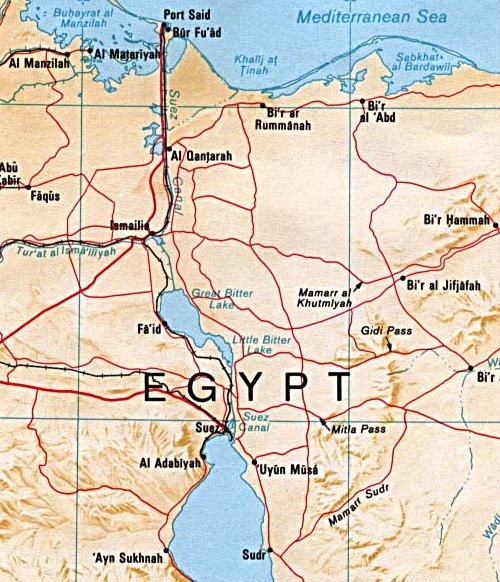 The Suez Canal Crisis is an instance of going to war under false pretenses and the background to the events is worth discussion in order to set the wider context of the political situation of the region, particularly in its aftermath.
The Suez Canal saw construction begin in 1859, was completed some ten years later and from 1858 was subject to a ninety-nine year lease prior to a return to the Egyptian government.[1] This would have taken place in 1957, however in July of 1956, Gamal Abdel Nasser, the President of Egypt, nationalized the canal. Despite the short term of the lease remaining, the British and French were incensed.
 The conclusion drawn by the French and British, with the active participation of Israel, The Protocol of Sèvres[2], provided the justification for the re-conquest of the canal. On 29 October, 1956, Israel was to invade Egypt and proceed to the Suez Canal zone. On being apprised, the British and French were to attempt diplomatic appeals for the cessation of the conflict, withdrawal of all belligerent forces from the Canal Zone and acceptance of a temporary Anglo-French occupation of key Suez locations. If these appeals were to fail, the two nations would militarily intervene in order to end the conflict and secure the canal for international commercial traffic.
Militarily, the Israeli, French and British actions were all completed successfully, but a number of factors had not been taken into consideration. The United Nations became involved at a Security Council session held at the request of the United States, calling on Israel to withdraw and undercutting the pretext for the action. Unusually the USSR concurred. A British and French veto forced the matter to pass to the General Assembly which adopted Resolution 997 (see also), calling for a blanket ceasefire, withdrawals and the reopening of the Canal.
 Any official papers detailing the political justifications for Operation Iraqi Freedom that might have survived destruction will wait some time for declassification, so discussion of the basis of the 2003 Iraq invasion would be conjecture at best. However, the flaws in the Suez actions represent important lessons in the build up to conflict, the first being to ensure that the international community is on board and supports the action. The Bush administration embarked on an excellent diplomatic and public relations operation which galvanized American public opinion and pulled together “the Coalition of the Willing,”[3] in support of the military operations.
A second lesson, clouded by the cold war that was well under way, was the erroneous assessment both of Egypt and Gamal Abdel Nasser. Britain and the West regarded Nasser as pro-Soviet and subsequently acted in an unhelpful fashion, not only adding to Nasser’s mystique and fame around the Arab world at the time, but paving the way to eventual Soviet involvement. Saddam Hussein, on the other hand, was no recent revolutionary and had aligned with the West during the eight-year Iran-Iraq war, so he and Iraqi forces were very much a well known and understood quantity.
The Aden Emergency

The Argyll and Sutherland Highlanders (Princess Louise’s) – Active Service, Aden, South Arabia 1967
The port of Aden became part of the British Empire in 1839 and became increasingly important after the opening of the Suez Canal as Aden is located roughly halfway between the canal and Mumbai (then Bombay) in India. The independence of India in 1947 and the nationalization of the Suez Canal reduced the economic value of the colony. Britain made plans to leave the colony, attempting to unify Aden and the tribes in the uncontrolled areas as the Federation of South Arabia under friendly administration. The British were unwilling to commit ground troops to instill law and order, instead relying on air power and “many of the lightly armed tribesmen referred to the experience of being bombed as ‘death from the sky.’”[4] 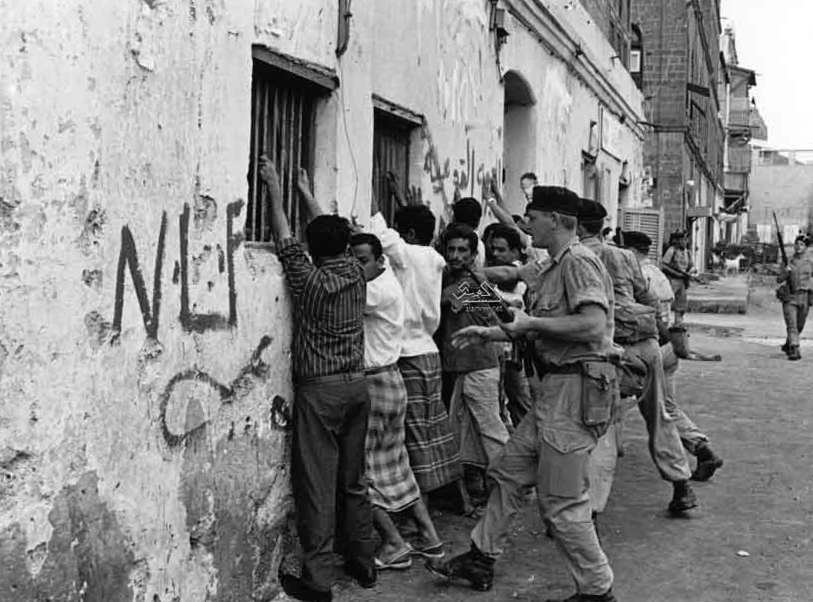 Mohammad Aidrus, the elder son of the Sultan of Lower Yafa, passed over by the British in favor of his more malleable younger brother, became the subject of an aerial assassination attempt, surviving as “a Hunter posted a rocket through the window, narrowly missing its target,” which “only made Muhammad more determined to continue his armed revolt against the British.”[5]
 In 1964, the British gave notice of their intent to grant independence to the Federation in 1968. Nasser’s effectiveness in the Suez crisis had led him to further efforts in decolonizing the region and he declared all-out opposition to the British presence. Nasser’s propaganda aided the burgeoning NLF (National Liberation Front) borne from tribal resistance to the imposed Federation. Meanwhile, within the port itself, the ATUC (Aden Trade Union Congress) was proving fertile ground for skilled workers that favored nationalism, giving rise to FLOSY (Front for the Liberation of South Yemen). The nationalist tide grew in strength with both the NLF and FLOSY claiming to represent the people of Aden and the wider area.
On 20 June 1967, the situation had deteriorated to the point of an Armed Police mutiny that opened fire on two patrols in an ambush, killing 22 soldiers. The patrols in question were Northumberland Fusiliers, due to rotate out very shortly and be replaced by the Argyll and Sutherland Highlanders, some of whose members had joined one of patrols. Immediately as a result of the attack, the British, under Major-General Philip Tower withdrew from the city in order to obviate further loss of life: they were leaving anyway so it seemed to make no sense to risk more British soldiers. This perspective stood diametrically opposed to that of Lt. Col. Colin Mitchell whose 1st Battalion, Argylls, would have to helplessly watch over a city where their comrades were killed. Lt.-Col. Mitchell continually pushed for a return to the city to establish law and order and was eventually successful however it is not entirely clear whether his leading the Argylls into Crater was exactly disobeying orders as he was never reprimanded, but it definitely ended his career while it lionized him in the British Press as the Argylls returned effective law and order to Crater. The city remained under Lt. Col. Mitchell’s battalion until the final and complete withdrawal in November of 1967.
A major criticism of the action was founded on allegations of atrocities including random, wanton killings. However, in the words of an Argyll who served there, “we were under the strictest orders not to fire unless we had been fired upon… …if you fired a round of ammunition, you had to make a complete report to justify it,” adding that he knew of no atrocities and “if they did take place I only hope you find the sadistic bastards who did it. They are bringing disgrace on the regiment.”[6] Aaron Edwards, whose work is cited herein, noted, “from a historian’s point of view – and based on the consultation of an enormous amount of regimental and public archives – there are no grounds for suggesting that murders took place on anything like the scale alleged. Indeed, quite the opposite.”[7]
The lessons that can be learned from the experience in Aden are numerous. The first being a lesson that the US Army has already learned: America does not leave its soldiers behind. Had the British not been put in the position of withdrawing from Crater whilst their dead were being paraded on the streets, the position that Lt. Col. Mitchell took would have been the default one.

Hawker Hunter – PsyWar.Org
In the run up to the crisis, the British were relying heavily on air strikes that targeted individuals and infrastructure. With the employment of drones and surgical strikes, the US continues this philosophy but in the British experience at least, the effects were certainly other than successful. A third lesson that can be learned is from the question of the utility of declaring the intent and time of leaving Aden. The two main insurgent forces, the NLF and FLOSY had vastly different bases, and both vied to take the credit for forcing the British out. Whether the US withdrawal from Iraq might be similarly flawed is harder to judge and a question for history to bear out; following the declaration of the end of combat operations in 2010[8], the rise of ISIS does not directly reflect the Aden experience.
End of the Mandate in Palestine
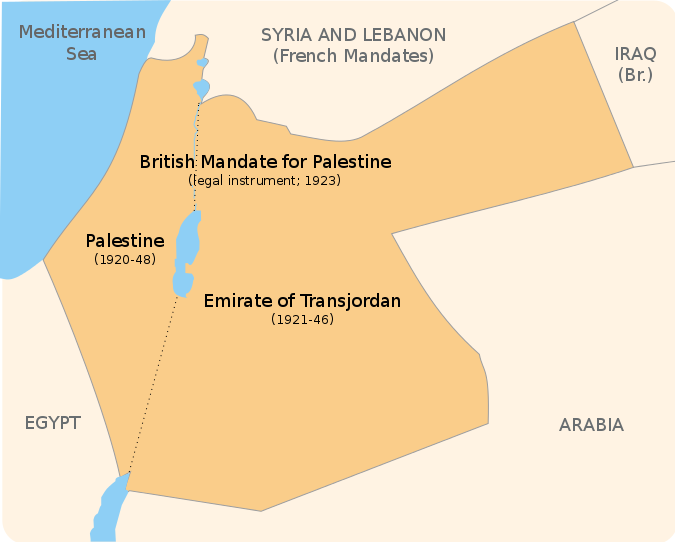 One of the important aspects of the Iraq operations was the successful creation of ‘the coalition of the willing’ which lent credence to the pretext of the invasion, the allegations of the weapons of mass destruction that were never found. The United Nations resolution that had ruled against Israel, France and Britain was of that same model of diplomacy. Another instance in which the United Nations had impact was in the ending of the British Mandate in Palestine.
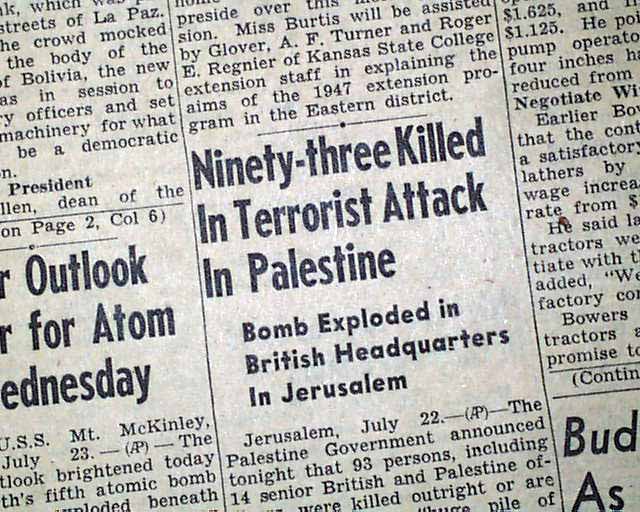
King David Hotel Attack In 1946 – Timothy Hughes Rare & Early Newspapers
The Zionist movement of the period immediately following World War II gained a significant amount of sympathy not undue to holocaust survivors. However, in Palestine it took the form of an insurgency and one of a very different nature. The British in Palestine had put down an Arab uprising in 1929 and in the aftermath had conducted the Hope Simpson Enquiry which concluded that in order to obviate tensions between the local Arabs and Jews that “it is the duty of the Administration, under the Mandate, to ensure that the position of the Arabs is not prejudiced by Jewish immigration.”[9] Following the Second World War, the Zionist notion of a Jewish home state in the Holy Land took a more potent form.
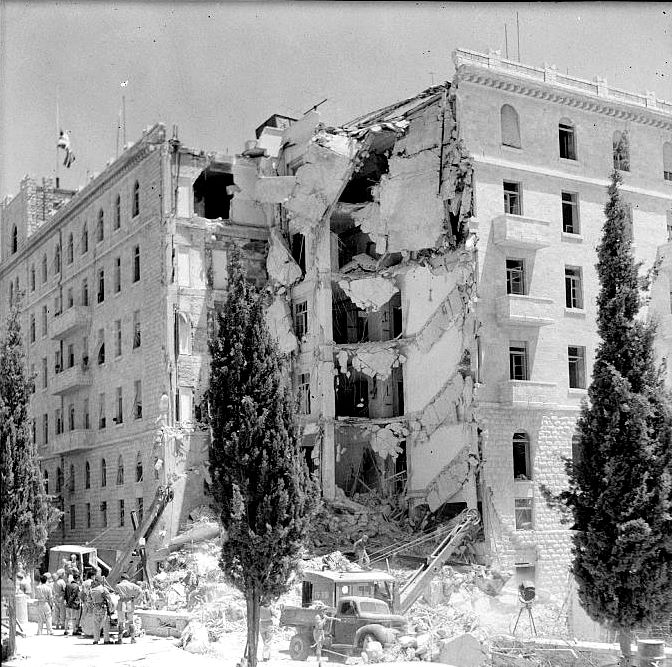 The 22 July 1946 bombing of the King David Hotel in Jerusalem, the British military headquarters, polarized the Palestine struggle. At the time, the British were of the opinion that the Jewish terrorism could easily be quelled. Care was being taken to maintain good relations with Arab partners in the region to ensure oil supplies and prevent any growth of Soviet influence.
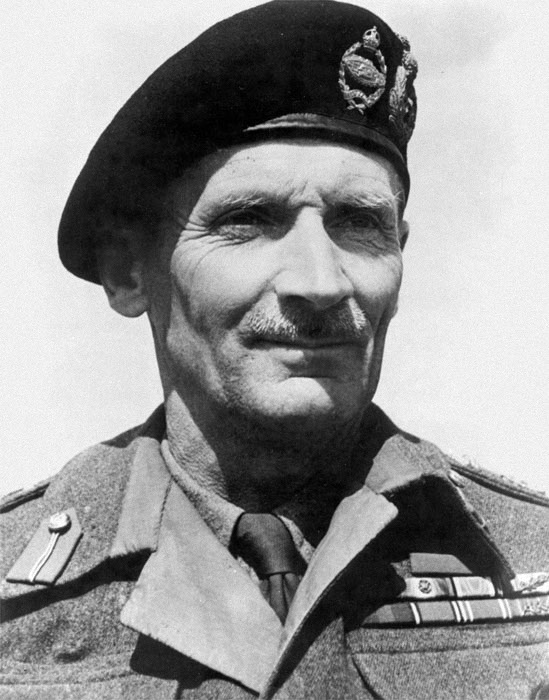 Chief of the Imperial General Staff, Field-Marshal Montgomery noted that what was missing “was a clear directive by His Majesty’s Government to the High Commissioner to use all the forces at his disposal to maintain strict law and order…”[10] Meanwhile, the situation continued to deteriorate, culminating in the bombing of the Goldsmith Officers’ Club on 1 March 1947, killing 13, injuring 16 and leading to a period of martial law, stepping up death penalties and clamping down on civil life with a collective punishment that lasted sixteen days.

Two British sergeants, intelligence NCOs, were kidnapped and held as hostages in response to death sentences issued to three terrorists. The executions were carried out on 29 July 1947 and in retaliation the two Sergeants were murdered, their bodies hung in an orange grove and booby-trapped in an event known as the Sergeants affair.

Whitehouse aides, meanwhile, had brought President Truman’s sympathies to bear on the Zionist cause and diplomats had been working hard behind the scenes to sway the vote in favor of the partitioning of Palestine and the establishment of the Jewish State with the United Nations vote of 29 November, 1947, ending the British Mandate.[11]
Several lessons can be derived from the British experience in Palestine, not the least is the importance of ensuring that the risk of any superior authority be properly managed. In both Palestine and later in Suez, the British became subject to external authorities which ultimately called the shots.
A second lesson, that which Montgomery indicated, was the requirement for effective law enforcement effort, or more generally the application of the appropriate amount of force with a dedicated effort toward a particular goal. As George Lowe, a Sergeant in the Intelligence Corps in Palestine from 1946-1947, put it “…had the Army been allowed, in fact, to act as an Army, I feel we could have contained particular situations that just got out of hand through us being, frankly, too gentlemanly.”[12]

The third lesson is the failure to establish and enforce security protocols for intelligence operatives similar to that in force with uniformed service members. The NCOs murdered in the Sergeants affair had no security requirements in place to deter abduction attempts. It is questionable whether any such protocols that did not interfere with their ability to do their jobs might have, in fact, deterred their abduction and murder, but their exemption from standard protocols suggests that the risk was not taken seriously enough, which is a lesson in itself given the worsening conditions at the time.
Conclusion
The end of the British Empire is unique in history. The ancient regimes typically handed possessions over following conflict or reduced their frontiers to more manageable levels, leaving erstwhile subjects to fend for themselves, such as the Roman abandonment of Britain leaving the Britons, traditionally dependent on Rome for military protection, vulnerable to the Angles, Saxons and Jutes who sought new, fertile lands. In the case of the British Empire, from the commencement of its dismantlement to the conclusion, effort was made to manage the process, usually with some degree of concern for the subjects although political considerations were always paramount, especially as the winding down of the Empire began. It is this unusual character that made the last days of the British Empire a laboratory of experiments worthy of study.
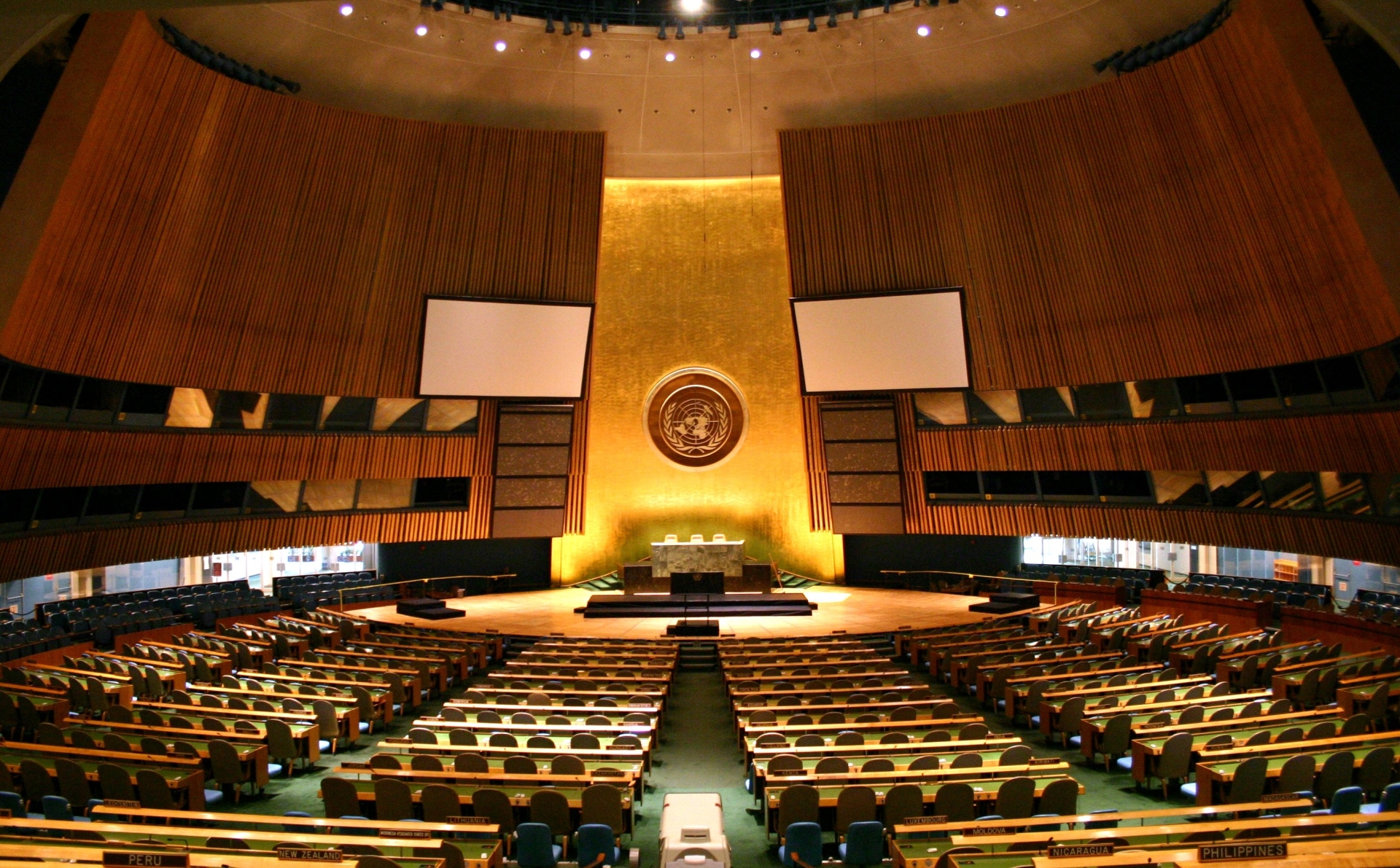
United Nations General Assembly
At the global level, the British never really managed the necessary diplomacy to control the United Nations, a skill quickly learned by President Truman in assembling the UN vote on the formation of Israel, and a skill whose worth was proven again in the justification cycle prior to the Iraq invasion in 2003.
At the level of national leaders, Britain had failed to correctly identify the political character of Egypt’s Nasser and his regime. In their defense, neither had the United States, whose refusal to bankroll the Aswan Dam on the assumption that the Soviets were about to step in with the cash, resulted in the nationalization of the Suez one year early that lead to the fabricated Suez Crisis.
Interestingly, the lost-cause of the Suez did not prevent military action, whereas the military action in Aden became a lost cause when the British declared they would leave Aden as part of an independent Federation. This inadvertently poured fuel on the fire for the competing insurgent factions that were battling it out to take credit for forcing the British out of the colony. The bombings, surgical strikes and nation building all fell apart and created the power vacuum of Yemen that turned to the Soviets during the cold war. The futures of Iraq and Afghanistan require such lessons to be learned.

Lt. Col. Colin “Mad Mitch” Mitchell
At the tactical level, Lt. Col. Mitchell’s 1st Battalion of the Argyll and Sutherland Highlanders showed that with competent, inspired leadership, appropriate military force could restore order in a hostile environment against the predominant flow of history. They demonstrated that the military was perfectly capable, with sufficient will available, as they were also in the Suez and Palestine, of completing their mission, given sufficient freedom to act militarily. An army needs to be trained and supplied, but also enabled.
British Army Brig. Andrew Sharpe once recounted the story of a Iraqi who told an American officer who berated him, “Hey, Mr. American, next time before you shout so much you should speak to him. He is British — they know how to invade a country.”[13] In the latter half of the twentieth century they learned how to leave one, too. In the process they made a lot of mistakes and it has always been cheaper to learn from the mistakes of others.
Sources Cited
[1] “Canal History.” SCA - Canal History, www.suezcanal.gov.eg/English/About/SuezCanal/Pages/CanalHistory.aspx.

[2] Shlaim, Avi. “The Protocol of Sevres, 1956: Anatomy of a War Plot.” International Affairs (Royal Institute of International Affairs 1944-), vol. 73, no. 3, 1997, pp. 509–530. JSTOR, JSTOR, www.jstor.org/stable/2624270.

[3] Schifferes, Steve. “US Names 'Coalition of the Willing'.” BBC News, BBC, 18 Mar. 2003, news.bbc.co.uk/2/hi/americas/2862343.stm.

[4] Edwards, Aaron. Mad Mitch's Tribal Law. Mainstream Publishing, 2015, p 24.

[5] Edwards, Aaron. Mad Mitch's Tribal Law. Mainstream Publishing, 2015, p 25.

[6] Edwards, Aaron. Mad Mitch's Tribal Law. Mainstream Publishing, 2015, p 263.
 Edwards here cites the Glasgow Sunday Mail, 3 May 1981.

[7] Edwards, Aaron. Mad Mitch's Tribal Law. Mainstream Publishing, 2015, p 263.

[8] Obama hails end to US combat operations in Iraq, 1 September 2010

[9] Hope Simpson, Sir John, CIE. “Palestine: Report on Immigration, Land Settlement and Development - UK Government Report,” 1 Oct. 1930, unispal.un.org/DPA/DPR/unispal.nsf/0/E3ED8720F8707C9385256D19004F057C.

[10] Louis, William Roger. “The British Empire in the Middle East: 1945-1951 ; Arab Nationalism, the United States, and Postwar Imperialism,” Clarendon, 1988,,p. 447.

[11] Louis, William Roger. “The British Empire in the Middle East: 1945-1951 ; Arab Nationalism, the United States, and Postwar Imperialism,” Clarendon, 1988,, pp 478-494

[12] "Chapter 6: Palestine." The End of Empire, Granada Television, 1985. Television documentary.

[13] STARS AND STRIPES Published: April 22, 2006. “British Brigadier Sees 'Strong Streak of Hollywood' in Some U.S. Officers.” Stars and Stripes, www.stripes.com/news/british-brigadier-sees-strong-streak-of-hollywood-in-some-u-s-officers-1.48007#.WeUZs2hSyUl.
 Andrew Wellington